

There were many different types of dinosaurs that lived during the Mesozoic Era, which spanned from about 250 million years ago to 66 million years ago. Here are some of the main types of dinosaurs:
- Sauropods - These were the largest of the dinosaurs, with long necks and tails. Examples include Brachiosaurus and Diplodocus.
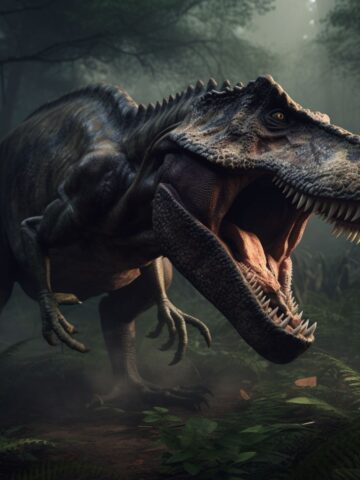
- Theropods - These were bipedal carnivores with sharp teeth and claws. Examples include Tyrannosaurus rex and Velociraptor.
- Ornithischians - These were herbivores with beaks and cheek teeth for chewing vegetation. Examples include Triceratops and Stegosaurus.
- Ceratopsians - These were herbivores with elaborate frills and horns on their heads. Examples include Protoceratops and Triceratops.
- Ankylosaurs - These were herbivores with bony armor plates and club-like tails. Examples include Ankylosaurus and Euoplocephalus.
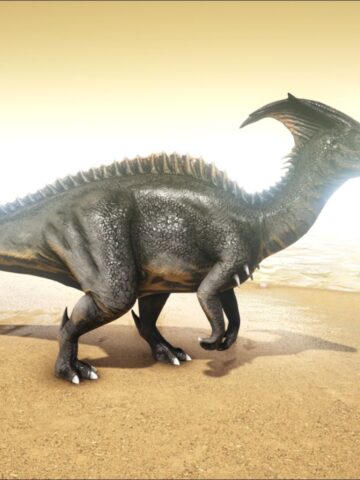
- Hadrosaurs - These were herbivores with duck-like bills and rows of teeth for grinding vegetation. Examples include Edmontosaurus and Parasaurolophus.
- Pterosaurs - These were flying reptiles that lived during the same time as dinosaurs. Examples include Pteranodon and Quetzalcoatlus.
These are just a few examples of the many types of dinosaurs that existed during the Mesozoic Era.

Jump to:
Mesozoic Era
Dinosaurs lived during the Mesozoic Era, which is divided into three periods: the Cretaceous, Jurassic, Triassic. The Cretaceous period lasted from approximately 145 to 66 million years ago. The Jurassic period lasted from approximately 201 to 145 million years ago, . The Triassic period lasted from approximately 250 to 201 million years ago.
During the Triassic period, the first dinosaurs evolved and diversified, alongside other reptiles and early mammals. During the Jurassic period, dinosaurs continued to diversify and dominate the terrestrial ecosystems, and some iconic species such as Stegosaurus and Allosaurus appeared. The Cretaceous period saw the emergence of some of the most well-known dinosaur groups, including the Tyrannosaurs, Triceratops, and Hadrosaurs. It also saw the extinction of all non-avian dinosaurs at the end of the period, approximately 66 million years ago.
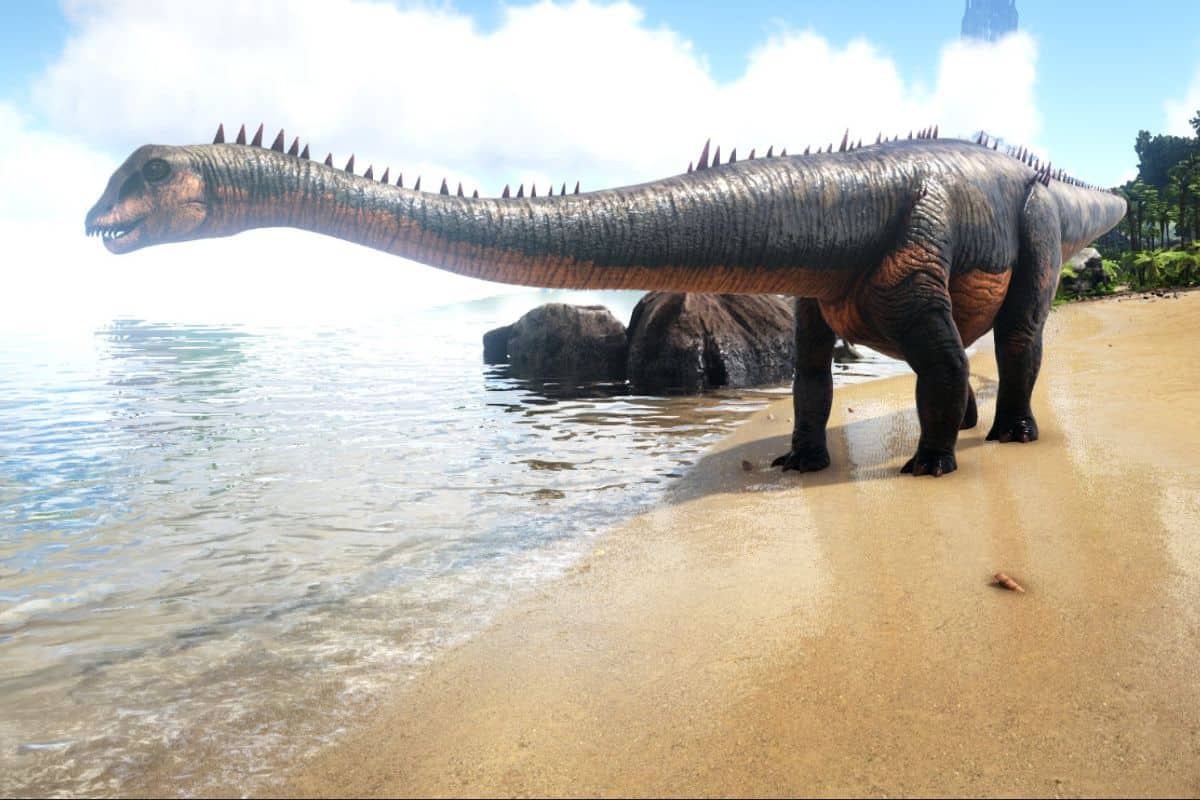
Sauropods
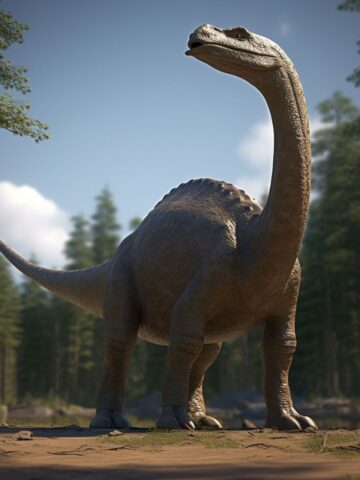
Sauropods were a group of long-necked, quadrupedal dinosaurs that lived in the Mesozoic Era. They were some of the largest animals to have ever lived on land, with some species weighing as much as 60 tons and reaching lengths of up to 100 feet.
Sauropods had very small heads in proportion to their massive bodies, and they had long necks that allowed them to reach vegetation that was high off the ground. Their necks were supported by a system of air sacs and specialized bones that made them lightweight and flexible. They also had long tails that they used for balance and defence.
Some well-known sauropod species include Apatosaurus (formerly known as Brontosaurus), Diplodocus, and Brachiosaurus. These dinosaurs were herbivores and had specialized teeth for grinding up tough vegetation. They likely spent most of their time eating and could consume large amounts of food in a single day.
Sauropods likely travelled in herds and their size and strength would have made them relatively safe from predators. However, they were not invincible and likely fell prey to large carnivorous dinosaurs.
The fossil record shows that sauropods existed for a long time, with the earliest species appearing in the Late Triassic period and the last known species going extinct at the end of the Cretaceous period, around 66 million years ago.
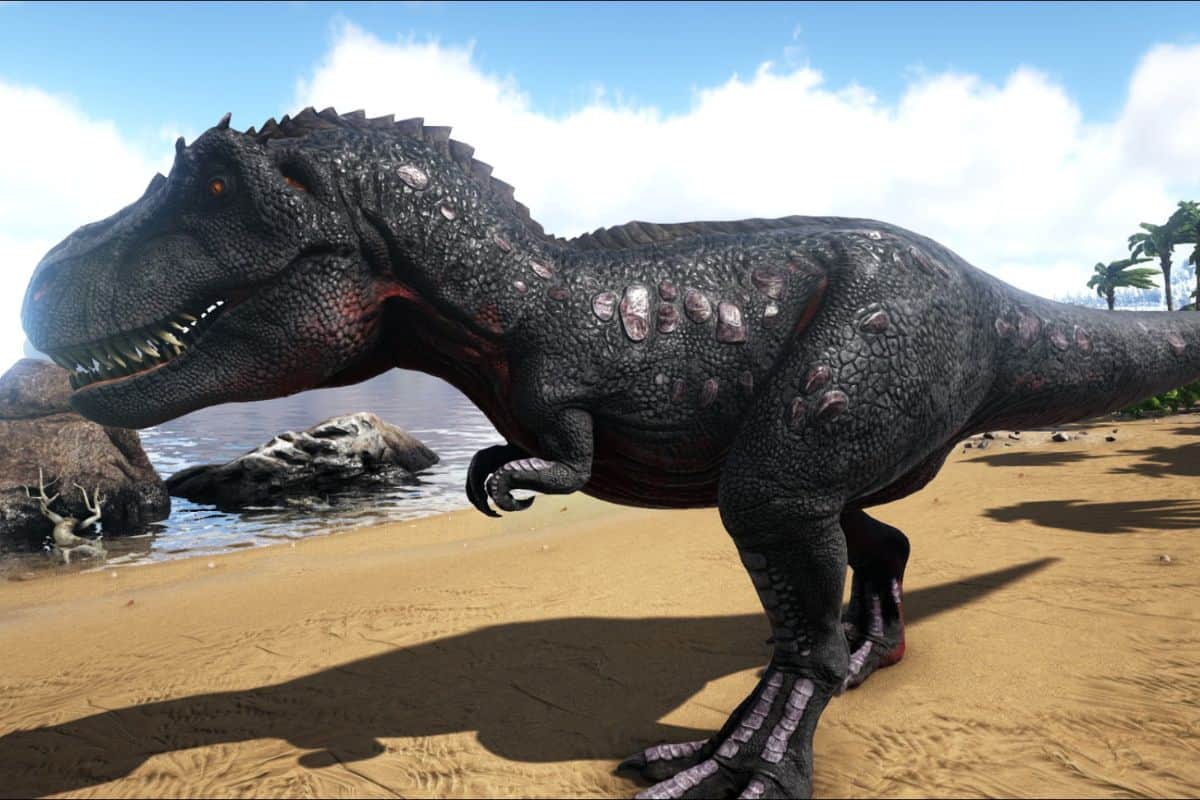
Theropods
Theropods were a diverse group of bipedal, carnivorous dinosaurs that lived in the Mesozoic Era. They were some of the most iconic and fearsome dinosaurs, with sharp teeth, powerful jaws, and often large claws on their hands and feet.
Theropods ranged in size from small, agile predators like Compsognathus to massive, apex predators like Tyrannosaurus rex. The Compy were highly adapted for hunting and had excellent vision, hearing, and sense of smell. They likely hunted in packs, for taking down prey that was smaller than themselves or cooperating to take down larger prey.
Some well-known theropod species include, Giganotosaurus, Velociraptor, Allosaurus, and Spinosaurus. Velociraptor was a small, fast predator that lived during the Late Cretaceous period and is famous for its role in the Jurassic Park franchise. Allosaurus was a large predator that lived during the Late Jurassic period and was one of the dominant carnivores of its time. Spinosaurus was a massive predator that lived during the late Cretaceous period and had a distinctive sail-like structure on its back.
Theropods are also notable for their connection to modern birds. Birds are thought to have evolved from small, feathered theropod dinosaurs in the Late Jurassic period, and many of the features that make birds unique, such as feathers and wishbones, first appeared in theropod dinosaurs.
While theropods were some of the most successful and long-lived groups of dinosaurs, they eventually went extinct at the end of the Cretaceous period, along with all other non-avian dinosaurs.
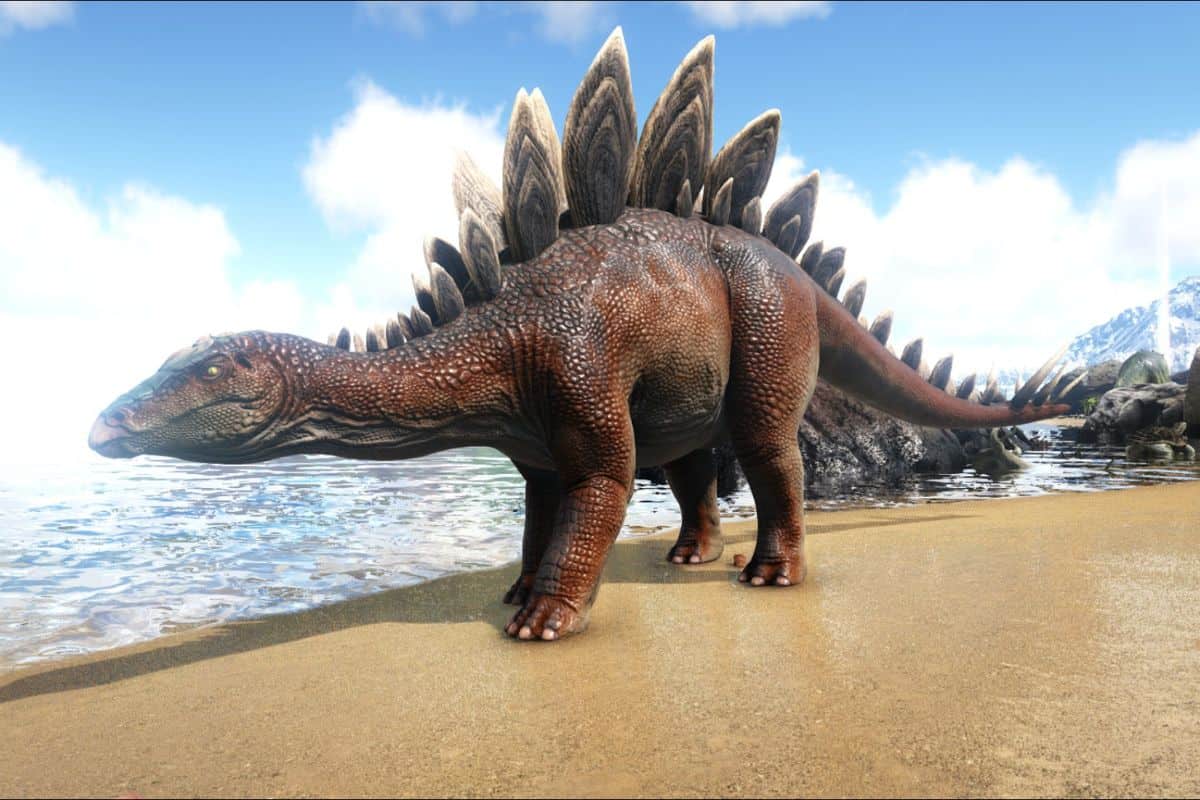
Ornithischians
Ornithischians were a diverse group of herbivorous dinosaurs that lived in the Mesozoic Era. They were the dominant herbivores during the Late Jurassic and Cretaceous periods and played an important role in the ecosystems of the time.
Ornithischians had a distinctive arrangement of bones in their pelvis, with a backward-facing pubis bone that gave them a bird-like appearance. They also had beaks and cheek teeth for grinding up tough vegetation.
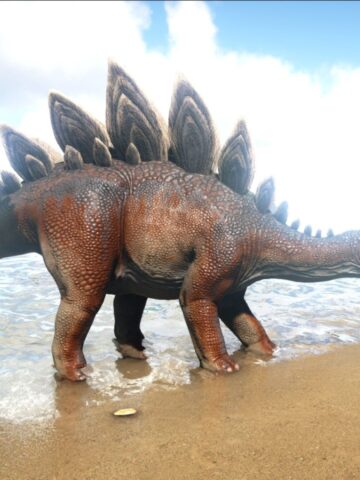
Some well-known ornithischian species include Triceratops, Stegosaurus, and Ankylosaurs. Triceratops was a large, horned dinosaur that lived during the Late Cretaceous period and is one of the most famous dinosaurs. Stegosaurus was a large, plated dinosaur that lived during the Late Jurassic period and had distinctive plates on its back and a spiked tail. Ankylosaurs was a heavily armored dinosaur that lived during the Late Cretaceous period and had bony plates and spikes on its body and a club-like tail.
Ornithischians likely had a variety of feeding strategies, with some species browsing on low-lying vegetation while others used their beaks and teeth to strip leaves and branches from trees. They may have also used their beaks and teeth for defence against predators.
While ornithischians were diverse and successful during the Mesozoic Era, they eventually went extinct at the end of the Cretaceous period, along with all other non-avian dinosaurs.
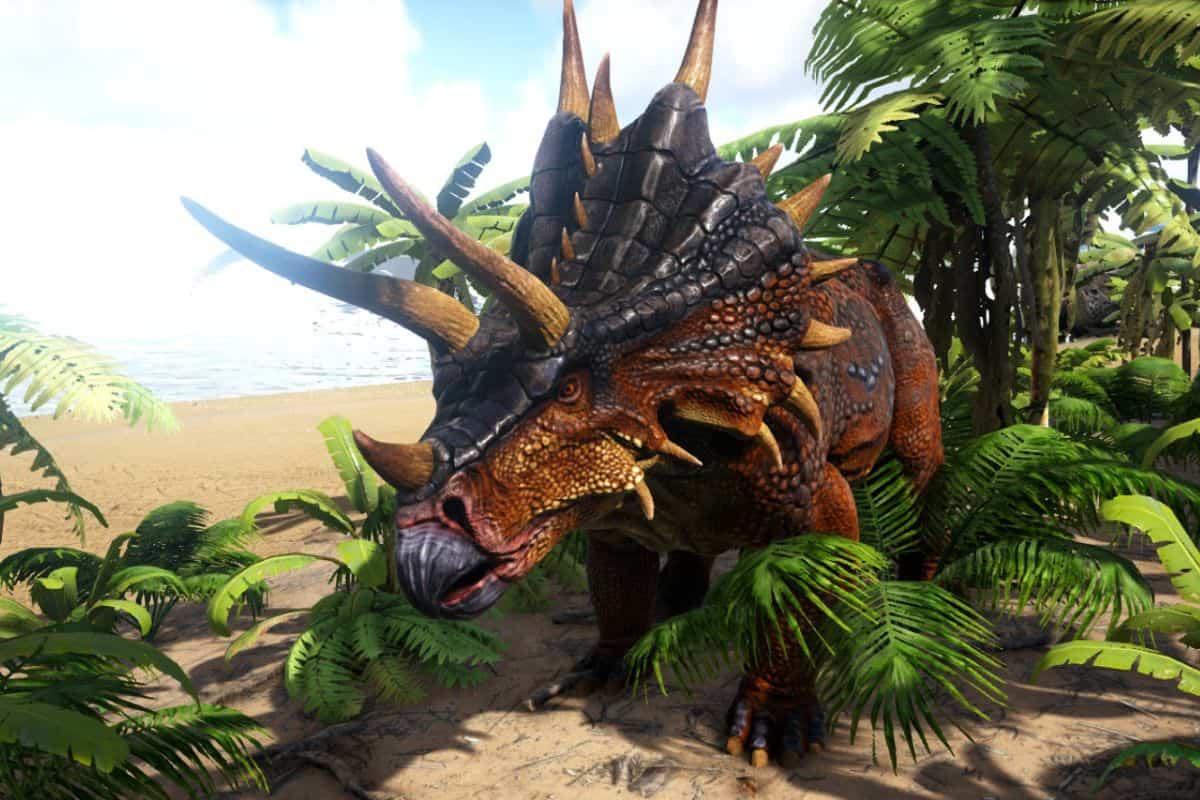
Ceratopsians
Ceratopsians were a group of herbivorous type of dinosaurs. That lived in the Late Cretaceous period. They are perhaps best known for their elaborate frills and horns, which they used for defence and display.
Ceratopsians were characterized by their unique skull structure, which featured a large, bony frill at the back of the skull and various horn structures on the face. They also had a beak and grinding teeth for chewing tough plant material.
Some well-known ceratopsian species include Triceratops, Styracosaurus, and Centrosaurus. Triceratops was the largest and most famous ceratopsian, with three horns on its face and a large frill. Styracosaurus had a distinctive frill with spikes and a single horn on its nose. Centrosaurus had a large nasal horn and a frill with small hornlets.
Ceratopsians likely lived in herds and used their frills and horns for display and defence against predators. Their large size and powerful beaks and teeth allowed them to consume tough vegetation, and they may have migrated to different areas to find food.
Ceratopsians were some of the last non-avian dinosaurs to go extinct at the end of the Cretaceous period, along with other dinosaur groups. However, some scientists speculate that birds may have evolved from small, feathered ceratopsians, although this hypothesis is still controversial and under investigation.
Ankylosaurs
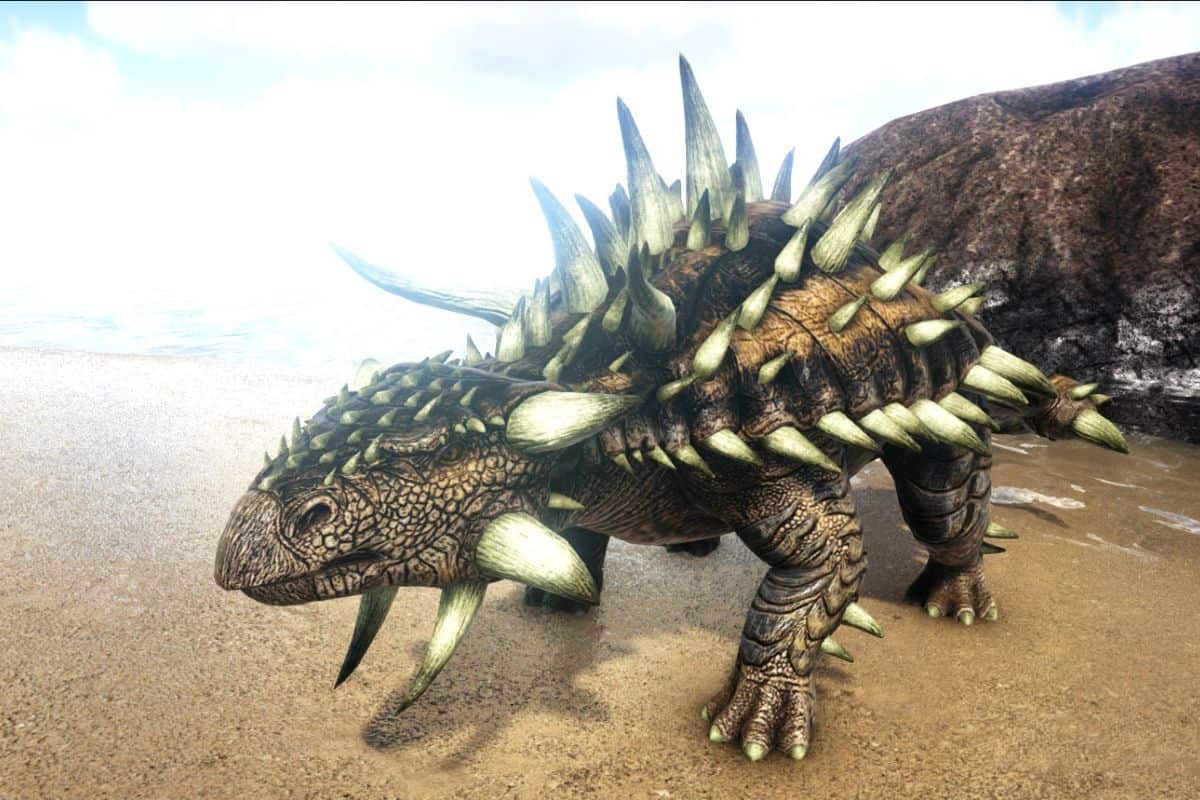
Ankylosaurs were a group of heavily armoured herbivorous type of dinosaurs. That lived in the middle Jurassic and late Cretaceous periods. They are known for their distinctive body Armor made up of bony plates and spikes, which likely served as a defence against predators.
Ankylosaurs were quadrupedal and had a low-slung, heavily armoured body. They had a wide, sturdy skull with a beak and grinding teeth for chewing tough plant material. Their tails were also heavily armoured and often ended in a club-like structure, which may have been used for defence or as a weapon.
Some well-known ankylosaur species include Ankylosaurs, Euoplocephalus, and Edmontonia. Ankylosaurs was the largest and most heavily armoured dinosaur, with a distinctive club on its tail. Euoplocephalus had a rounded, domed skull and bony Armor on its eyelids. Edmontonia had long, spiked shoulder blades and bony Armor on its neck.
Ankylosaurs likely lived in herds and were able to defend themselves against predators with their Armor and clubbed tails. They also likely used their powerful beaks and teeth to chew tough vegetation and may have migrated to different areas to find food.
While ankylosaurs were successful and widespread during the Late Jurassic and Cretaceous periods, they eventually went extinct at the end of the Cretaceous period, along with all other non-avian dinosaurs.
Hadrosaurs
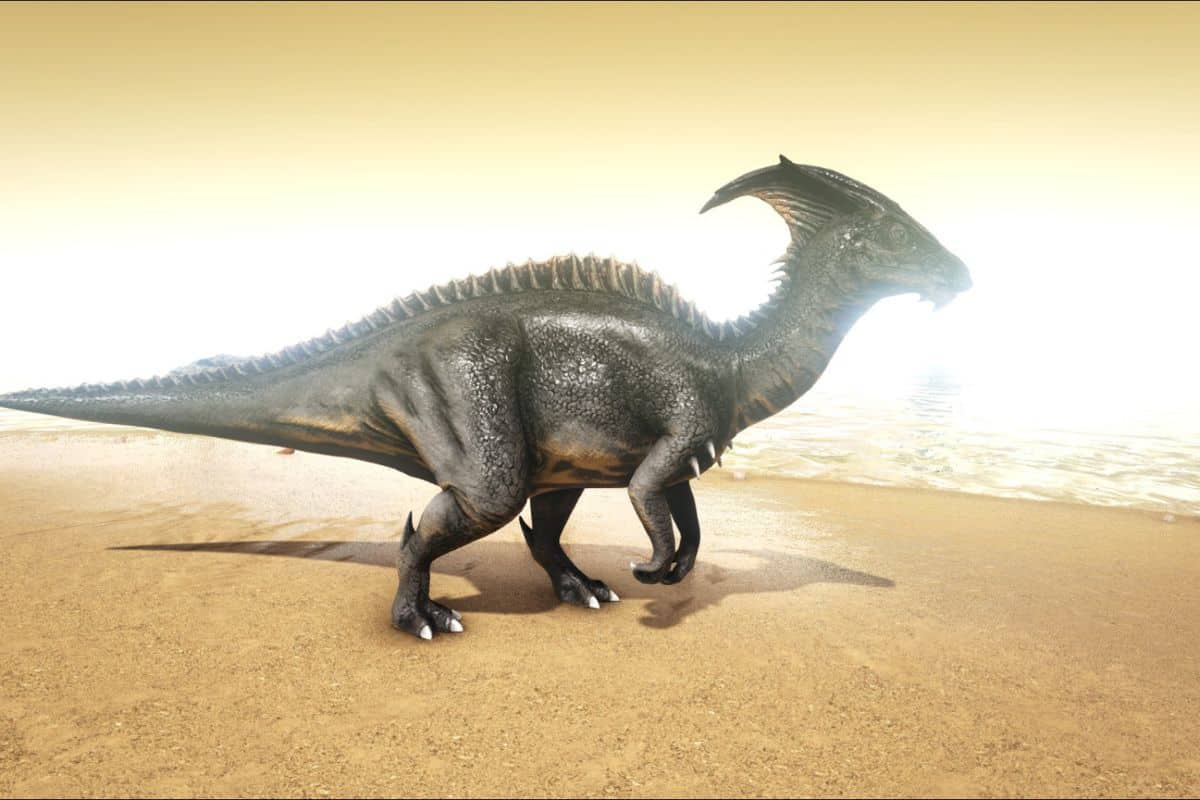
Hadrosaurs, also known as "duck-billed" dinosaurs, were a diverse group of herbivorous type of dinosaurs. That lived in the Late Cretaceous period. They are named for their distinctive beak-like mouths, which were specialized for grinding up tough plant material.
Hadrosaurs were bipedal or quadrupedal and had a long, low-slung body with a relatively small head and long tail. They had hundreds of teeth in their mouths, arranged in rows, which allowed them to efficiently grind up vegetation. Some hadrosaurs also had elaborate crests on their heads, which may have been used for display or to produce sounds.
Some well-known hadrosaur species include Parasaurolophus, Edmontosaurus, and Maiasaura. Parasaurolophus had an elongated, backward-curving crest on its head, which may have been used to produce sounds for communication. Edmontosaurus was one of the largest hadrosaurs, with a duck-like bill and hundreds of teeth. Maiasaura was a smaller hadrosaur that is notable for its fossilized nesting sites, which suggest that it cared for its young in nests.
Hadrosaurs likely lived in herds and were able to defend themselves against predators with their large size and powerful legs. They also likely used their beaks and teeth to strip leaves and branches from trees and may have migrated to different areas to find food.
Hadrosaurs were some of the last non-avian dinosaurs to go extinct at the end of the Cretaceous period, along with other dinosaur groups. However, some scientists speculate that birds may have evolved from small, feathered hadrosaurs, although this hypothesis is still controversial and under investigation.
Pterosaurs
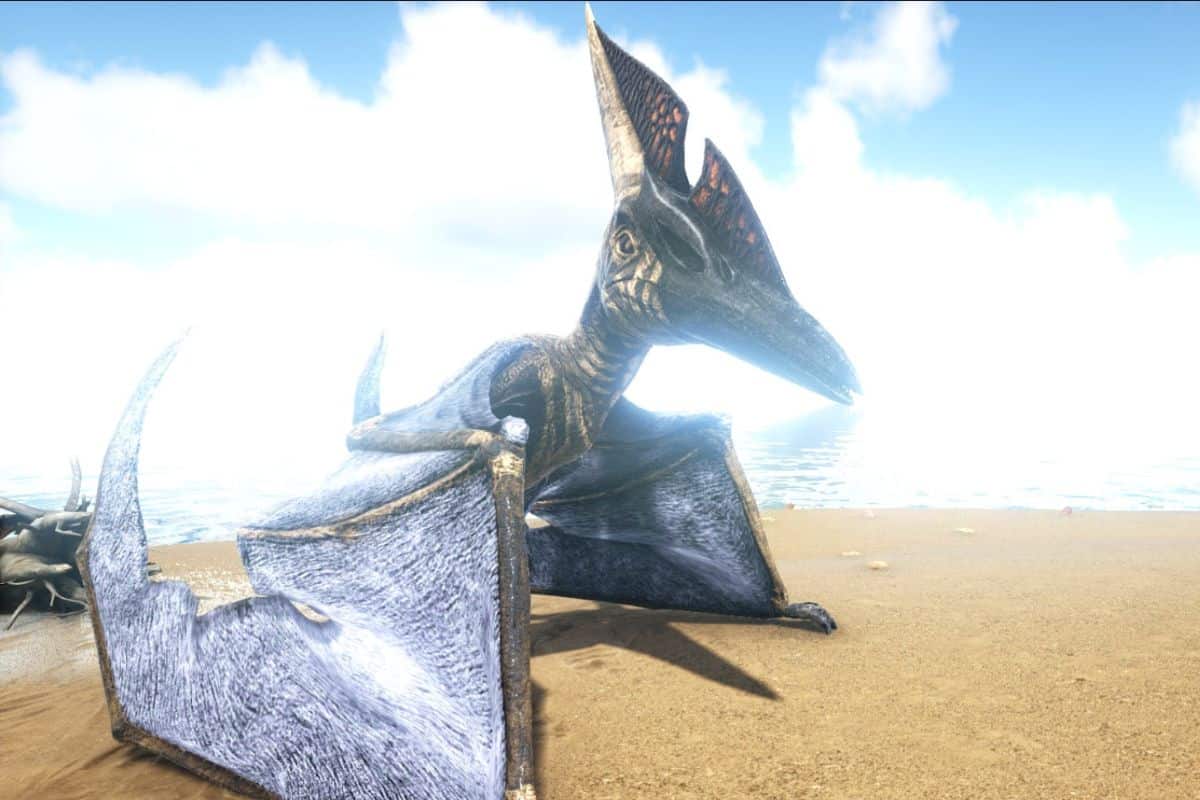
Pterosaurs were a group of flying reptiles that lived during the Mesozoic Era, alongside other types of dinosaurs. They are not dinosaurs, but they are often grouped with them in popular culture due to their similar time period and size.
Pterosaurs were characterized by their elongated wings, which were made up of a membrane of skin stretched over a framework of bones. They were the first vertebrates to evolve powered flight, and their wingspans ranged from a few inches to over 30 feet in some species.
Pterosaurs had a number of unique adaptations for flight, including hollow bones. A reduced weight, and a specialized respiratory system that allowed them to extract oxygen more efficiently. They likely fed on a variety of foods, including fish, insects, and small vertebrates. And some species may have been capable of soaring and gliding like modern birds.
Some well-known pterosaur species include Pteranodon, Quetzalcoatlus, and Dimorphodon. Pteranodon was a large pterosaur with a wingspan of over 20 feet. And it is known for its distinctive crest on the back of its head. Quetzalcoatlus was one of the largest flying animals of all time, with a wingspan of up to 30 feet. Dimorphodon was a smaller pterosaur that lived during the early Jurassic period, with a wingspan of around 4 feet.
Pterosaurs went extinct at the end of the Cretaceous period, along with all other non-avian dinosaurs. However, their fossil record has provided valuable information about the evolution and mechanics of powered flight. They continue to fascinate scientists and the public alike.
FAQs
No, dinosaurs lived during different time periods within the Mesozoic Era, which is divided into the Triassic, Jurassic, and Cretaceous periods. Some dinosaur groups, such as the sauropods, lived for a longer period of time than others
Pterosaurs, which were not actually dinosaurs, were a group of flying reptiles that lived during the Mesozoic Era. Some well-known pterosaur species include Pteranodon, Quetzalcoatlus, and Dimorphodon.
Some examples of theropod dinosaurs include Tyrannosaurus rex, Velociraptor, and Allosaurus.
There are over 700 known species of dinosaurs, but many more likely existed that have not been discovered or identified.
More dinosaur types
Conclusion
Dinosaurs were a diverse group of reptiles that lived during the Mesozoic Era. Which is divided into the Triassic, Jurassic, and Cretaceous periods. which had all different types of dinosaurs. They included species such as the sauropods, theropods, ornithischians, and pterosaurs, which exhibited a wide range of adaptations and behaviour's. Although all non-avian dinosaurs went extinct at the end of the Cretaceous period. Their fossil record has provided valuable insights into the evolution and diversity of life on Earth.

Leave a Reply