

When we think of dinosaurs, we often envision towering giants with sharp teeth like the t rex, Ready to tear through their prey. But there's more to these prehistoric creatures than meets the eye. Dinosaur teeth hold vital clues about their diets, lifestyles, and evolution. Join us on a journey through time as we explore the incredible world of dinosaur teeth.

Jump to:
Herbivorous Dinosaur Teeth
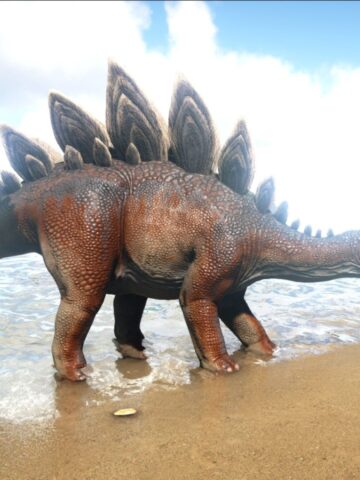
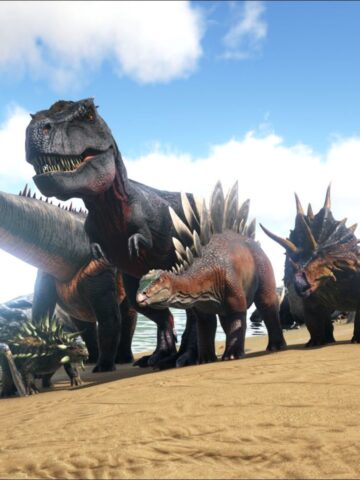
Chisel-Like Teeth: Some herbivorous dinosaurs, like the Stegosaurus, sported chisel-shaped teeth designed for shearing leaves and stems. These teeth allowed them to efficiently strip vegetation from branches.
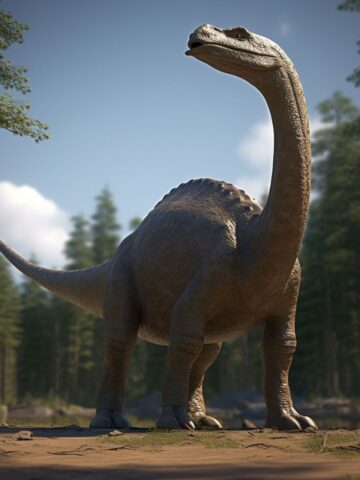
Gastroliths: While not exactly teeth, some herbivorous dinosaurs, such as sauropods, like the diplo or brachiosaurus, swallowed stones known as gastroliths. These stones helped grind down plant material in their stomachs, aiding in digestion.
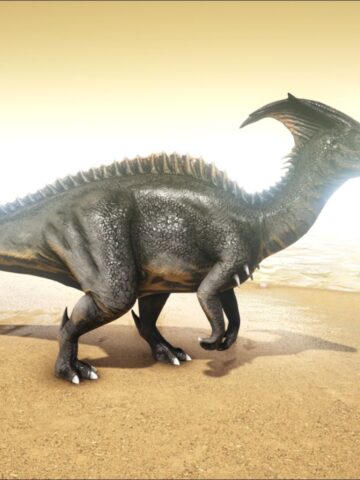
Tooth Batteries: Hadrosaurs, commonly known as duck-billed dinosaurs, Like the Parasaur, Featured complex dental arrangements called "tooth batteries." These batteries consisted of rows of tightly packed teeth that continuously replaced and functioned like a conveyor belt for grinding plant matter.
Carnivorous Dinosaur Teeth
Banana-Shaped Teeth: Some smaller carnivorous dinosaurs, like the Compsognathus, had curved, banana-shaped teeth ideal for catching and gripping small prey.
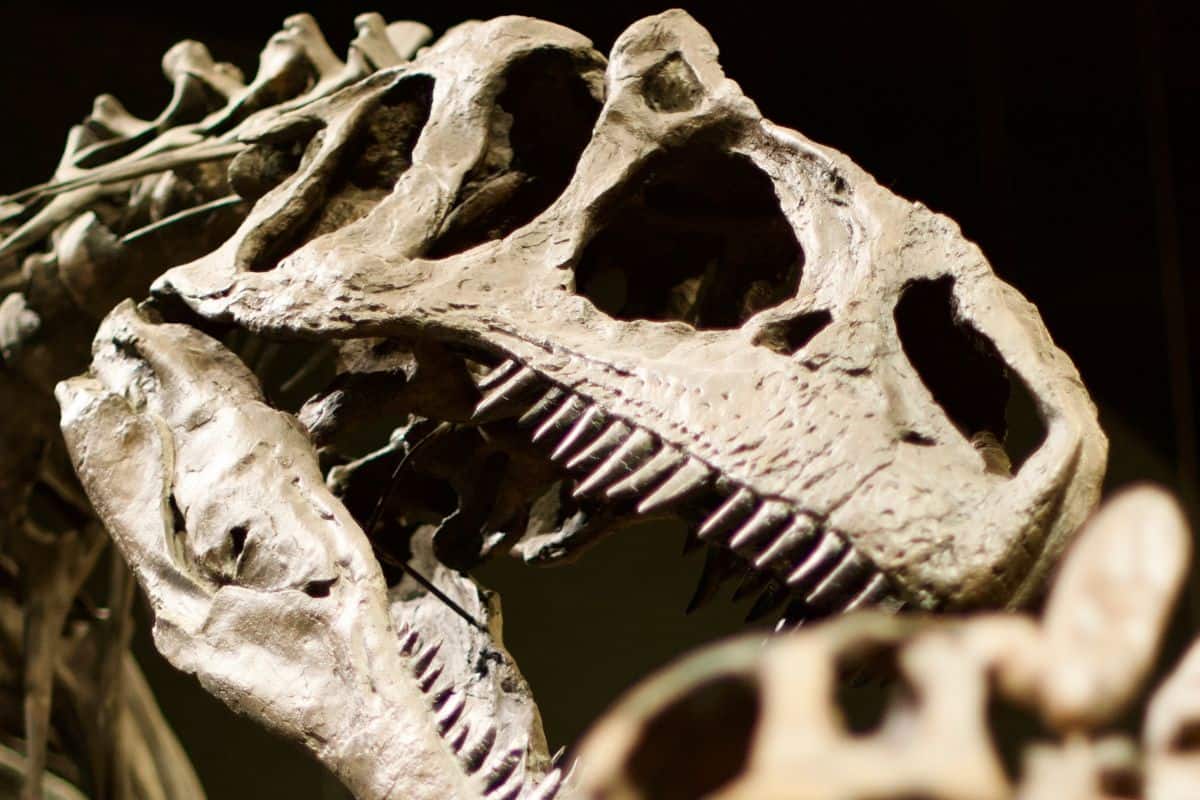
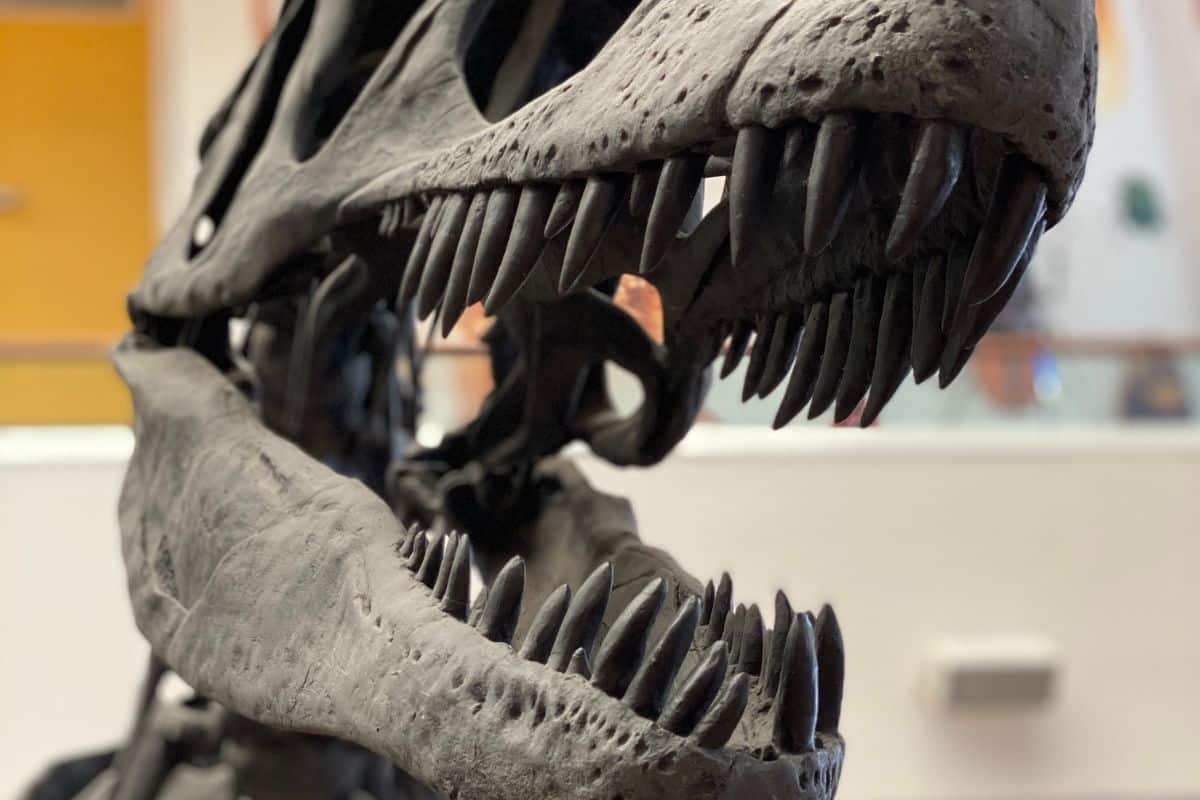
Conical Teeth: Carnivorous dinosaurs like the Allosaurus had conical teeth, which were versatile for tearing into various types of prey. They could pierce through flesh and hold onto struggling prey.
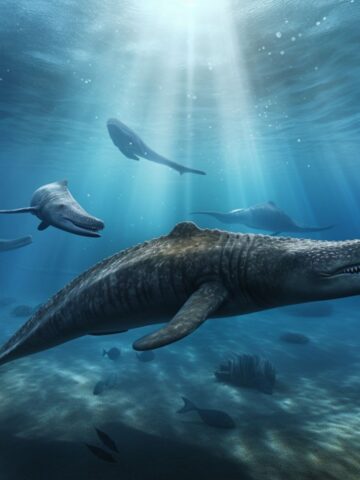
Interlocking Teeth: The Spinosaurus, a massive aquatic carnivore, had interlocking conical teeth that resembled those of a crocodile. These teeth helped it catch slippery fish and other aquatic creatures.
Blade-Like Teeth: Carnivorous dinosaurs like the Deinonychus had blade-like teeth designed for slicing into their prey. These teeth were perfect for inflicting deep wounds.
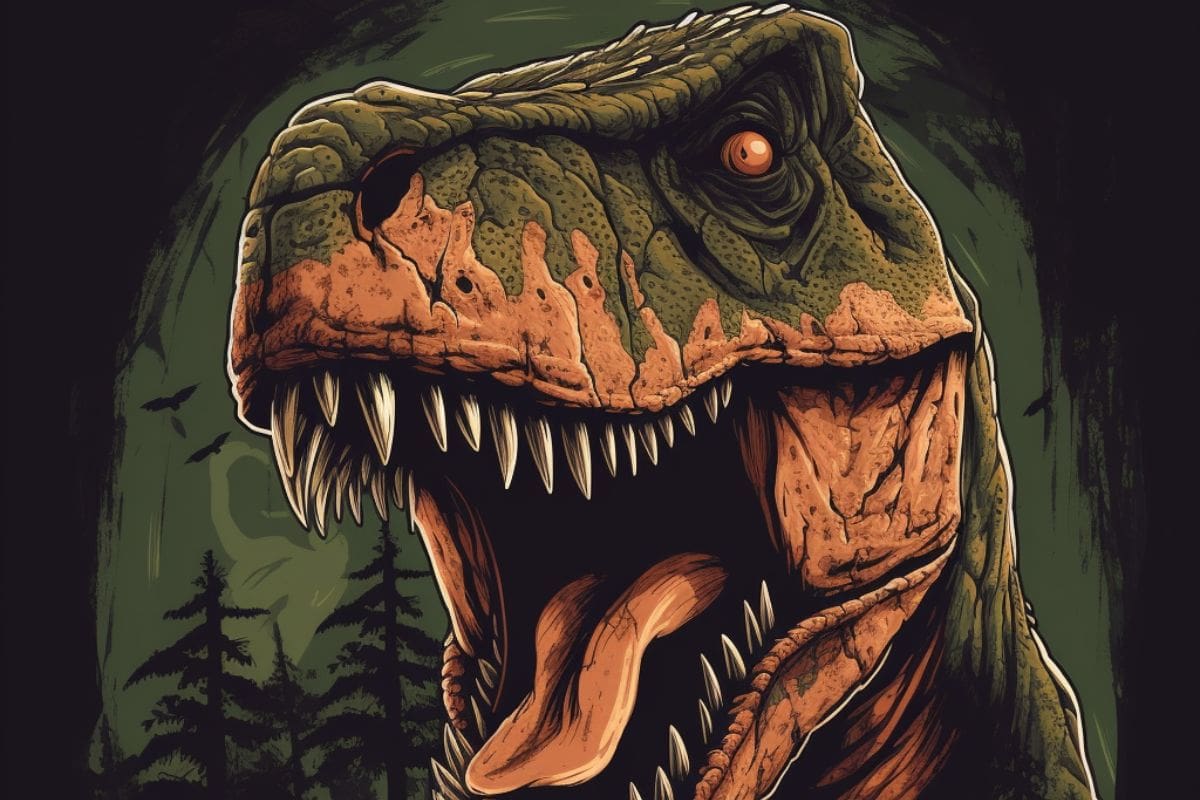
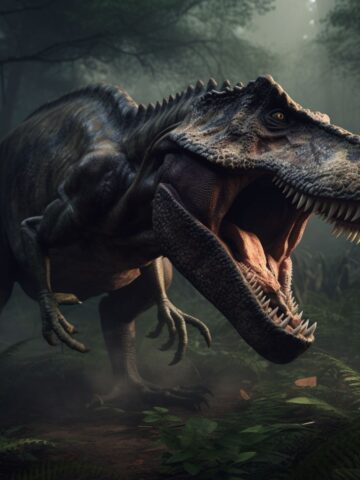
Serrated teeth: The mighty T rex had 60 serrated teeth with the largest being about 12" inches long.
Omnivorous Dinosaur Teeth
Combination Teeth: Some dinosaurs, like the ornithomimids, were omnivores with teeth that represented a mix of characteristics found in both herbivorous and carnivorous dinosaurs. Their teeth allowed them to adapt to various food sources, including plants and small animals.
The Marvel of Dinosaur Tooth Replacement
One of the most remarkable features of dinosaur teeth was their ability to continually replace lost or worn teeth throughout their lives. And this constant renewal allowed dinosaurs to maintain effective feeding abilities, even as their teeth wore down. This process is known as polyphyodonty.
Some dinosaurs, particularly herbivores, had multiple generations of teeth in various stages of development within their jaws. As older teeth fell out or wore down, new teeth would quickly take their place, ensuring a consistent ability to feed.
Teeth as a Clue to Dinosaur Behaviour
Dinosaur teeth not only reveal their diets but also shed light on their behaviour's. For example, teeth with distinct serrations suggest a predatory lifestyle, while those adapted for grinding hint at an herbivorous preference. Teeth with wear patterns indicative of heavy use could suggest dietary specialization or scavenging habits.
Furthermore, the study of bite marks on fossils can provide insights into interactions between dinosaurs. These bite marks can reveal predation, combat, or even social behaviour's within dinosaur communities.
Understanding the wide array of dinosaur teeth and their functions is like assembling pieces of a prehistoric puzzle. Each tooth type tells a unique story of survival, adaptation, and the complex interplay of life in the ancient world.
10 fascinating facts about dinosaur teeth
- Diverse Shapes: Dinosaur teeth came in various shapes, depending on the dinosaur's diet. Some were serrated for slicing through flesh, while others were flat and suited for grinding vegetation.
- Constant Replacement: Most dinosaurs continuously replaced their teeth throughout their lives. As teeth wore down or fell out, new ones would emerge to maintain their ability to eat effectively.
- Gastroliths: Some herbivorous dinosaurs swallowed gastroliths (stones) to aid in digestion. These stones helped grind down plant material in the dinosaur's stomach.
- Cannibalistic Dinosaurs: Some dinosaurs, like the Tyrannosaurus rex, had teeth adapted for crushing bone. This suggests that they might have been cannibalistic, feeding on the bones of their own kind.
- Toothless Dinosaurs: Not all dinosaurs had teeth. Some, like the Edmontosaurus, had beaks similar to modern-day birds and turtles, which they used to crop vegetation.
- Toothless Herbivores with Cheeks: Some herbivorous dinosaurs, like the Hadrosaurs, had cheek-like structures that allowed them to store food in their mouths before grinding it with their teeth.
- Bite Marks Tell Stories: Paleontologists study bite marks on dinosaur fossils to understand their interactions, whether they were predators, scavengers, or engaged in territorial disputes.
- Social Structure: The arrangement and type of teeth can provide insights into the social structure of certain dinosaur species. Some had teeth adapted for combat within their own kind.
- Longevity of Teeth: Dinosaur teeth, made of highly durable material, are often the most well-preserved parts of their skeletons and can last for millions of years.
- Continual Discovery: New dinosaur species and teeth are still being discovered today, shedding fresh light on the incredible diversity and complexity of these ancient creatures.
FAQs
Most dinosaurs had a process called dental replacement. They continuously grew new teeth to replace old or damaged ones. As a tooth wore down or fell out, a new tooth would emerge from a dental socket in the dinosaur's jaw, ensuring they always had functional teeth for eating.
No, not all dinosaurs had sharp, carnivorous teeth. Dinosaurs exhibited a wide range of tooth shapes and sizes based on their diets. Some had sharp, serrated teeth for hunting, while others had flat, grinding teeth for chewing plants. The type of teeth varied greatly among different dinosaur species.
The largest dinosaur teeth belonged to the Spinosaurus, which had teeth that could reach up to 12 inches (30 centimetres) in length. On the other hand, the smallest dinosaur teeth were found in some small theropod dinosaurs, measuring just a few millimetres in size.
Palaeontologists can determine a dinosaur's diet by examining the shape, size, and wear patterns of its teeth. Carnivorous dinosaurs typically had sharp teeth with serrations for tearing flesh, while herbivores had teeth adapted for grinding plant material. By analysing these features, scientists can make educated guesses about what dinosaurs ate during their lifetimes.
Natural history museum in London, Field museum in Chicago. just to name a few.
Conclusion
Dinosaur teeth represent an incredible diversity of form and function, And reflecting the vast array of niches these creatures occupied in prehistoric ecosystems. By examining the types of teeth and their adaptations, palaeontologists continue to unlock the mysteries of dinosaur behaviour, diet, and evolution. These teeth are not merely fossils; they are windows into a bygone era when Earth was ruled by these magnificent creatures.

Amanda
I have just started to learn all about dinosaurs and found it so interesting to learn all about the different types of teeth that dinosaurs have.