

The Mesozoic era, also known as the "Age of Dinosaurs," was a period of time that spanned over 180 million years. From the Triassic to the Cretaceous period. During this time, the land was ruled by various types of dinosaurs. But the oceans were also teeming with incredible marine reptiles that were adapted to living in the water. These marine reptiles, often referred to as water dinosaurs. Were a diverse group of animals that had unique adaptations that helped them survive in the ocean. We will take a closer look at some of the most fascinating water dinosaurs that lived during the Mesozoic era.

Types of Water Dinosaurs
- Plesiosaurs: Plesiosaurs were large, long-necked marine reptiles that lived during the Jurassic and Cretaceous periods. They had four paddle-like limbs and a long, flexible neck that allowed them to move their heads in different directions. Making them efficient hunters.
- Mosasaurs: Mosasaurs were predatory marine reptiles that lived during the Late Cretaceous period. They were typically large, with elongated bodies, powerful jaws, and teeth designed to crush the shells of their prey.
- Ichthyosaurs: Ichthyosaurs were another group of marine reptiles that lived during the Mesozoic era. They had a fish-like body, a long snout, and a streamlined tail that helped them swim quickly through the water.
- Thalattosaurs: Thalattosaurs were a group of reptiles that lived during the Triassic period. They had long, paddle-like limbs and a streamlined body that allowed them to move efficiently through the water.
Plesiosaurs
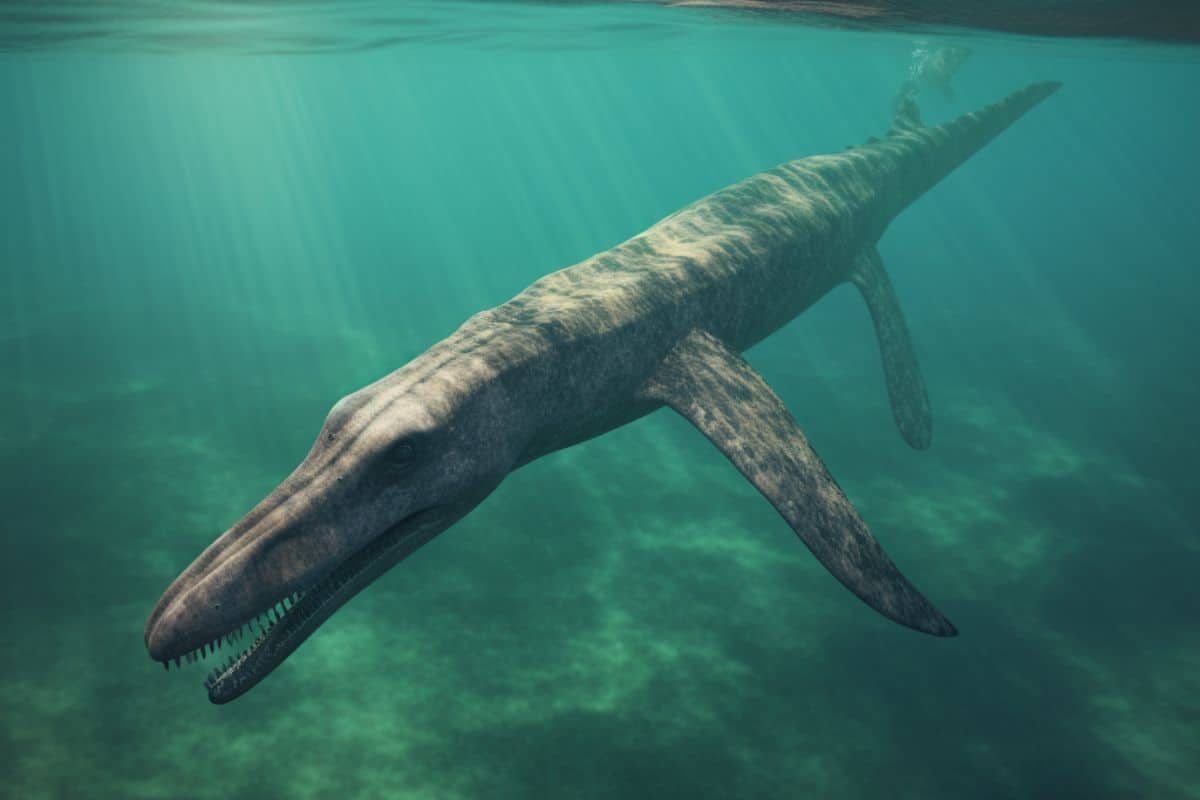
Plesiosaurs were a group of marine reptiles that lived during the Jurassic and Cretaceous periods. Roughly 203 to 66 million years ago. They were characterized by their long necks, four paddle-like limbs, and streamlined bodies. Which allowed them to swim efficiently through the water. Plesiosaurs ranged in size from just a few feet in length to over 30 feet long.
One of the most distinctive features of plesiosaurs was their long necks, which contained up to 76 vertebrae. The neck was so flexible that plesiosaurs could move their heads in any direction. Allowing them to hunt in a unique way. They could twist and turn their necks to catch prey from different angles, making them very effective hunters. Plesiosaurs likely fed on a diet of fish, squid, and other marine animals.
There were two main types of plesiosaurs: long-necked plesiosaurs, also known as plesiosauroids, and short-necked plesiosaurs, also known as pliosauroids. Plesiosauroids had long necks, small heads, and relatively small teeth. While pliosauroids had shorter necks, large heads, and robust teeth that were adapted for crushing shells and bones.
Plesiosaurs were some of the most successful marine reptiles of the Mesozoic era. With many different species known from all over the world. However, like all non-avian dinosaurs and marine reptiles, they went extinct at the end of the Cretaceous period. Around 66 million years ago. The exact cause of their extinction is not known, but it is likely that a combination of factors, including climate change and competition from other marine animals, played a role. Today, their fossils provide important clues about the evolution of marine reptiles and the history of life on our planet. and can be seen at the natural history museum.
Mosasaurs
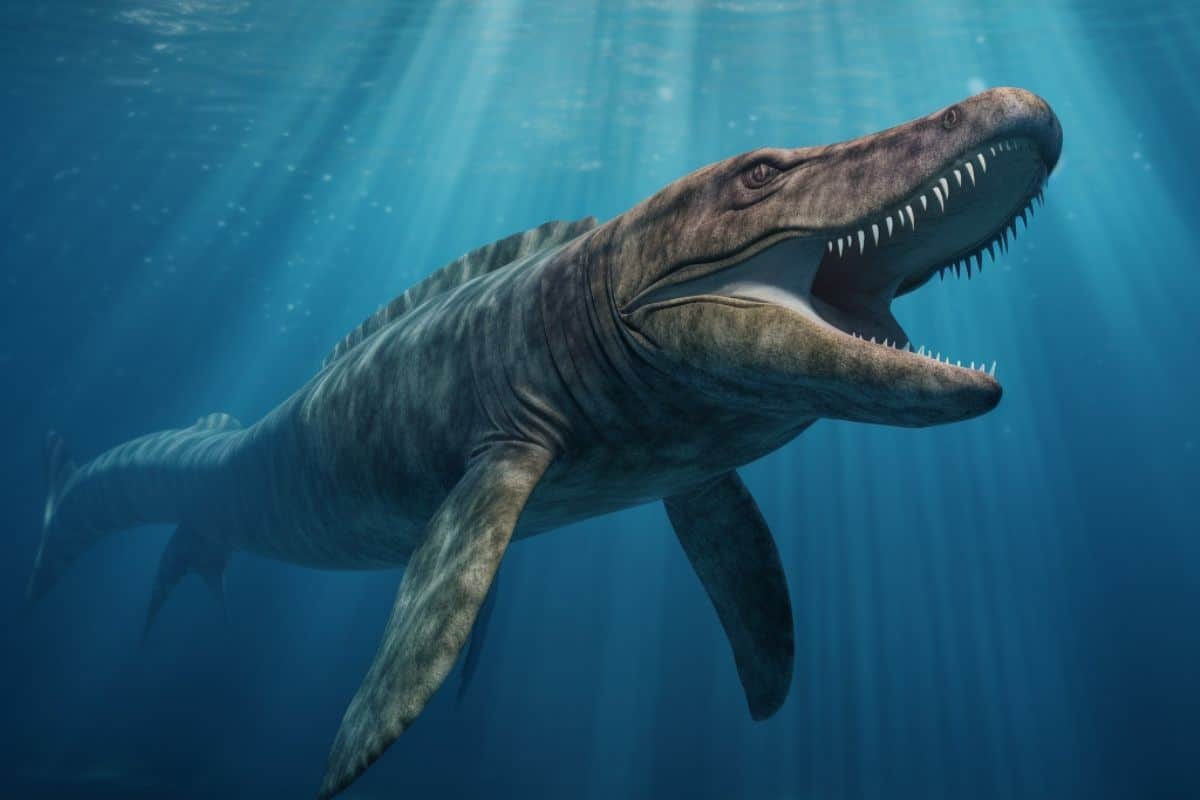
Mosasaurs were a group of marine reptiles that lived during the Late Cretaceous period, roughly 100 to 66 million years ago. They were large, predatory animals that were well adapted to life in the ocean. Mosasaurs ranged in size from just a few feet in length to over 50 feet long, making them some of the largest marine reptiles of all time.
One of the most distinctive features of mosasaurs was their long, streamlined bodies, which were well adapted for swimming. They had four paddle-like limbs, a powerful tail, and a hydrodynamic shape that allowed them to move quickly through the water. Mosasaurs were also equipped with sharp teeth and strong jaws, which they used to catch and devour their prey.
Mosasaurs were apex predators of the Late Cretaceous ocean, and they likely fed on a diet of fish, squid, and other marine animals. They were well adapted to hunting in the open ocean, but some species may have also ventured into shallow waters to feed on smaller prey.
Like many other marine reptiles, mosasaurs went extinct at the end of the Cretaceous period, around 66 million years ago. The cause of their extinction is not well understood, but it is likely that a combination of factors, including climate change and competition from other marine animals, played a role.
Today, mosasaurs are known from fossils found all over the world, Fossil can be seen at the American Museum of natural history. And they continue to fascinate scientists and the public alike. By studying these incredible animals, we can gain a better understanding of the evolution of marine reptiles and the history of life on our planet
Ichthyosaurs
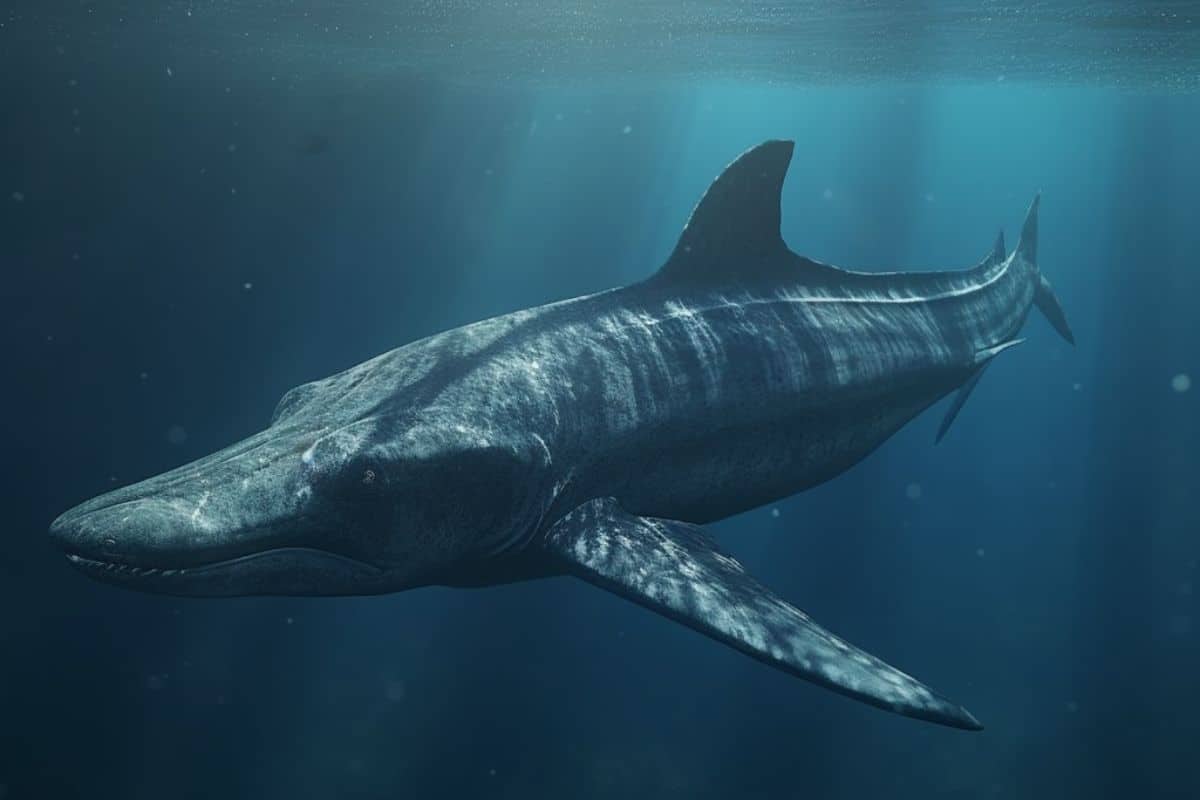
Ichthyosaurs were a group of marine reptiles that lived during the Mesozoic era, roughly 250 to 90 million years ago. They were particularly abundant during the Triassic and Jurassic periods, and they played an important role in the ecosystem of the oceans during that time. Ichthyosaurs ranged in size from just a few feet in length to over 65 feet long, making them some of the largest marine reptiles of all time.
One of the most distinctive features of ichthyosaurs was their dolphin-like body shape, which was well adapted for swimming. They had four paddle-like limbs, a long, streamlined body, and a powerful tail, which allowed them to move quickly and efficiently through the water. Ichthyosaurs were also equipped with sharp teeth, which they used to catch and devour their prey.
Ichthyosaurs were particularly successful during the Triassic and Jurassic periods, and they were some of the most abundant and diverse marine reptiles of the time. They likely fed on a diet of fish, squid, and other marine animals, and some species may have even been able to give birth to live young.
Despite their success, ichthyosaurs went extinct at the end of the Cretaceous period, around 90 million years ago. The exact cause of their extinction is not well understood, but it is likely that a combination of factors, including climate change and competition from other marine animals, played a role.
Today, ichthyosaurs are known from fossils found all over the world, And a fossil of a young ichthyosaurs can be seen at Oxford University Museum of Natural History. And they continue to fascinate scientists and the public alike. By studying these incredible animals, we can gain a better understanding of the evolution of marine reptiles and the history of life on our planet.
Thalattosaurs
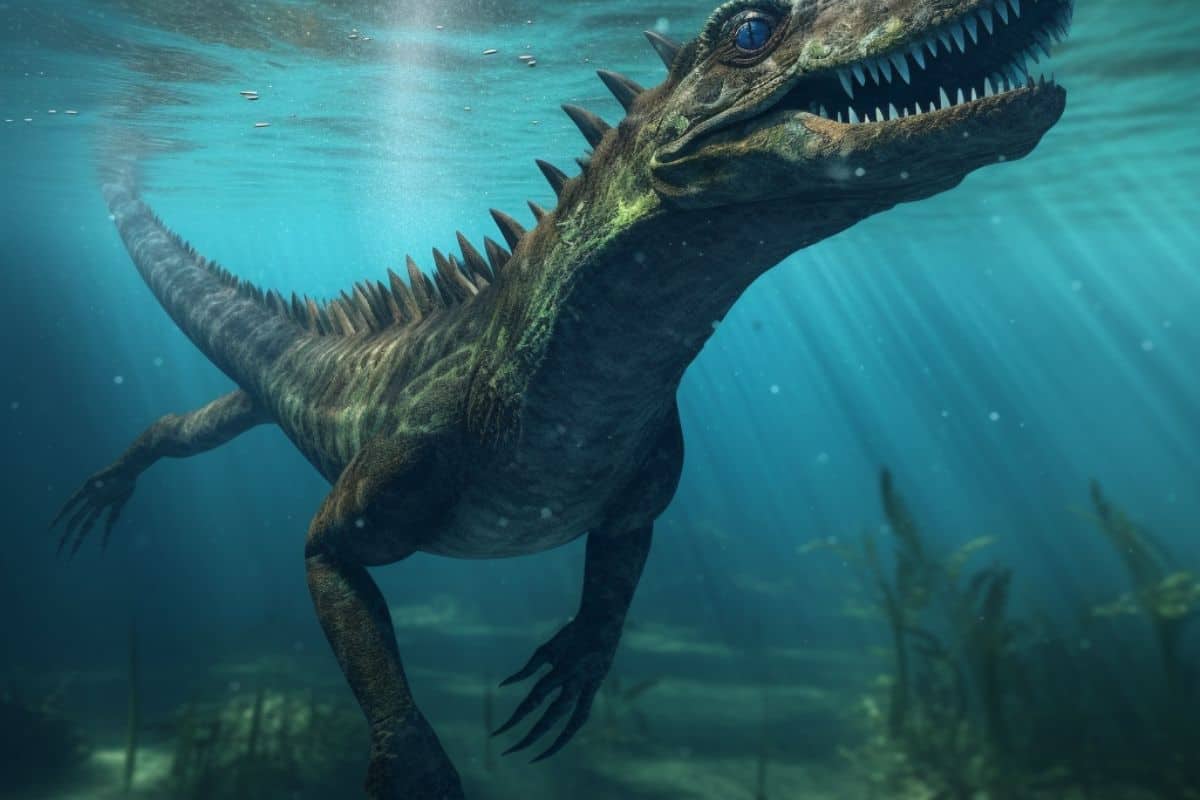
Thalattosaurs were a group of marine reptiles that lived during the Triassic period, roughly 235 to 220 million years ago. They were small to medium-sized animals, with most species ranging in length from just a few inches to about 10 feet. Thalattosaurs were well adapted to life in the ocean, and they had a number of unique adaptations that set them apart from other marine reptiles of their time.
One of the most distinctive features of thalattosaurs was their long, slender bodies, which were well adapted for swimming. They had four paddle-like limbs. A long tail, and a streamlined shape that allowed them to move quickly through the water. Thalattosaurs were also equipped with sharp teeth, which they used to catch and devour their prey.
Thalattosaurs were unique among marine reptiles in that they had elongated. Flexible necks, which gave them a greater range of motion when hunting. They were likely carnivorous, feeding on a diet of fish, squid, and other marine animals.
Thalattosaurs were relatively short-lived compared to some other marine reptiles. With most species disappearing from the fossil record by the end of the Triassic period. The cause of their extinction is not well understood. But it is likely that a combination of factors. Including climate change and competition from other marine animals, played a role.
Despite their relatively short existence, thalattosaurs have played an important role in our understanding of the evolution of marine reptiles. By studying these unique animals, scientists can gain insight into the adaptations that allowed them to thrive in the ocean. And how they fit into the larger ecosystem of the Triassic period.
FAQs
No, water dinosaurs were not actually dinosaurs. They were a group of marine reptiles that lived during the Mesozoic era and were adapted to life in the water.
Water dinosaurs ate a variety of different marine animals, depending on the species. Some, like mosasaurs, were carnivorous and ate fish, while others, like plesiosaurs, may have eaten a combination of fish and other marine animals.
No, there are no modern-day descendants of water dinosaurs. The closest living relatives to these animals are modern-day reptiles, such as crocodiles and turtles
Conclusion
Water dinosaurs were an incredible group of animals that lived during the Mesozoic era and were uniquely adapted to life in the ocean. They had many fascinating adaptations, such as streamlined bodies. Paddle-like limbs, and long necks, that allowed them to move quickly and hunt efficiently in their aquatic environment. While they were not actually dinosaurs. They were an important part of the ecosystem during the Mesozoic era. And played a significant role in the ocean's food chain.
Today, the legacy of water dinosaurs lives on through fossils and scientific study. Paleontologists continue to study these fascinating creatures to learn more about their behavior, anatomy, and evolution. By understanding more about these ancient animals. We can gain a greater appreciation for the incredible diversity of life that has existed on our planet throughout history.
Water dinosaurs were some of the most incredible creatures to ever inhabit our planet. Their legacy continues to fascinate and inspire people today. By studying these fascinating animals. We can gain a better understanding of the natural world and the many wonders it holds.

Leave a Reply