

Diplodocus is one of the most iconic dinosaurs of the Late Jurassic period, known for its long neck and tail, and its large size. We'll explore everything you need to know about this fascinating dinosaur, from its physical characteristics to its behaviour and habitat.

Jump to:
Physical Characteristics
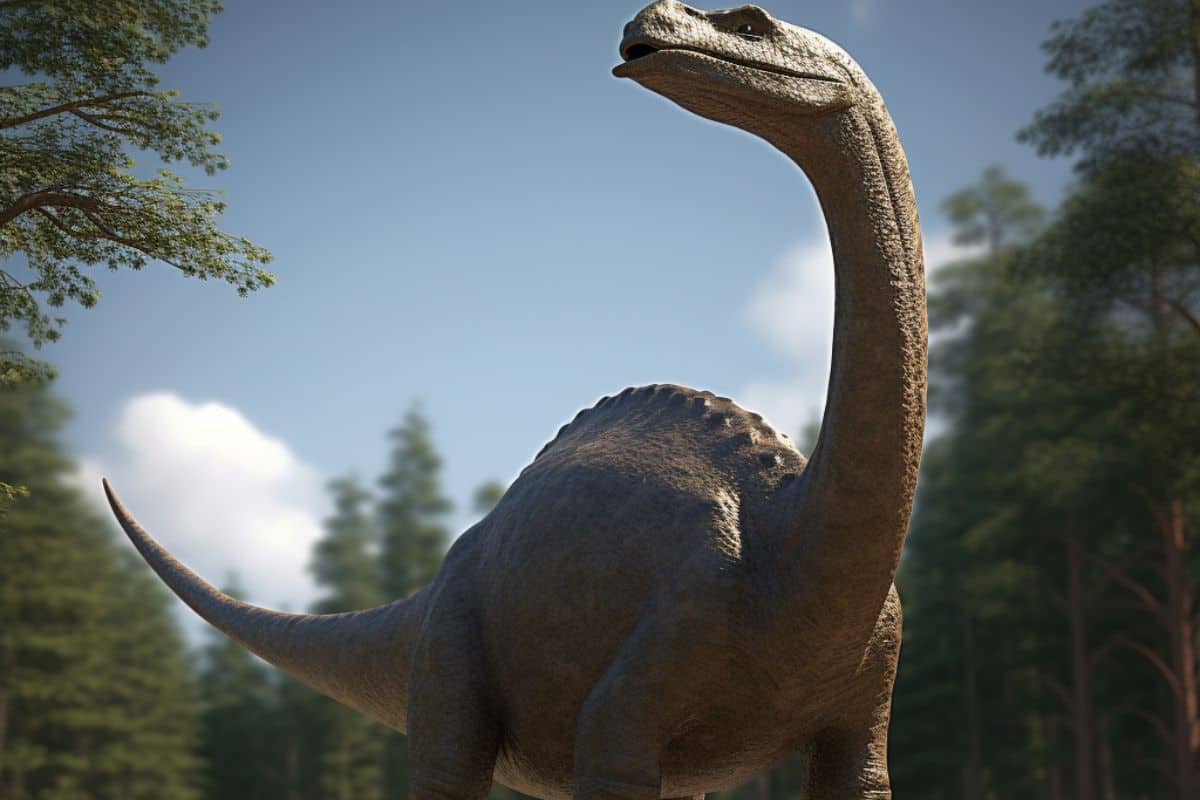
Diplodocus was a sauropod, a group of long-necked, herbivorous dinosaurs that were some of the largest animals to ever walk the Earth. The Diplo itself was around 85-90 feet long, with a long neck that made up over half of its total length. It also had a long, whip-like tail that it could use to defend itself against predators.
Despite its size, The Diplo had a relatively small head compared to the rest of its body. Its teeth were also very small and simple, which suggests that it ate soft vegetation like ferns and conifers.
Behavior and Habitat
Diplodocus lived in herds, which was a common behavior among sauropods. These herds would have provided protection against predators and helped the dinosaurs find food and water. Diplodocus is also believed to have been a migratory species, moving across the landscape to find new sources of vegetation.
In terms of habitat, Diplodocus lived in what is now western North America during the Late Jurassic period, around 154 million years ago. Around the same time as the Stego, But not in the same area. The Morrison Formation, where many Diplodocus fossils have been found, was a mix of forested areas and open plains. The climate during this time was generally warm and humid, and the landscape was dominated by rivers and floodplains. This would have provided the perfect environment for Diplodocus to find the vegetation it needed to survive.
Where can bones be found today
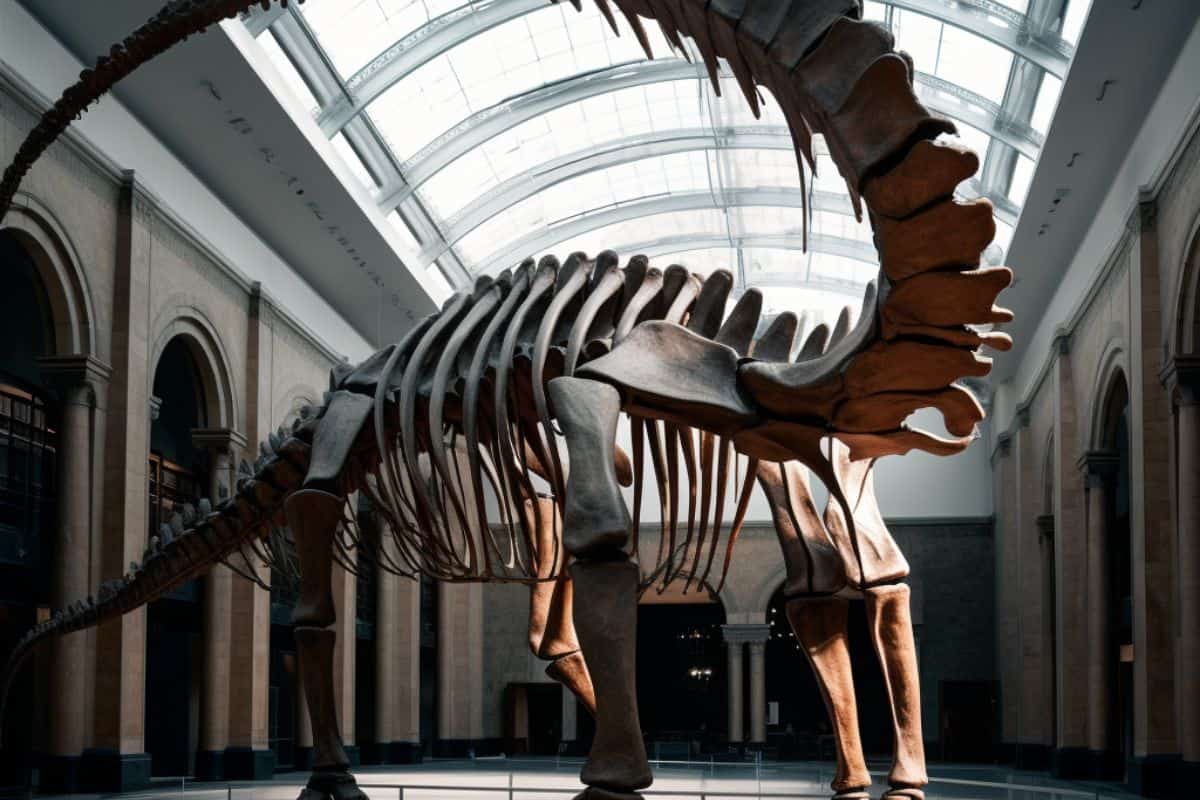
Today, Diplo's bones can be found in museums and other institutions around the world. Many of the most complete and well-preserved specimens are housed in museums in the United States, particularly in states where Diplodocus fossils were first discovered, such as Colorado, Utah, and Wyoming.
One of the most famous Diplo specimens is on display at the Carnegie Museum of Natural History in Pittsburgh, Pennsylvania. This skeleton. known as Dippy, was discovered in Wyoming in 1898 and was later acquired by Andrew Carnegie, who donated it to the museum that bears his name. Other notable Diplodocus specimens can be found at the American Museum of Natural History in New York City, the Natural History Museum in London, and the National Museum of Natural History in Washington, D.C.
In addition to museum collections, there are also ongoing fossil discoveries and excavations taking place in various parts of the world, which may yield new Diplodocus specimens in the future.
Discovery and Naming
Diplodocus was first discovered in 1877 by paleontologist Samuel Wendell Williston in the Morrison Formation of Colorado. The discovery of this dinosaur caused a sensation in the scientific community. Diplodocus was unlike any dinosaur known at the time.
The genus name Diplodocus comes from the Greek words diplos, meaning "double," and dokos, meaning "beam," referring to the double-beamed chevron bones in its tail. The name was chosen because these tail bones were a distinguishing characteristic of the genus.
The species name, Diplodocus carnegii. Honors Andrew Carnegie, a wealthy businessman and philanthropist. Who funded many dinosaur expeditions during the late 19th and early 20th centuries. Carnegie was a passionate supporter of scientific research and saw the study of dinosaurs as an important field of inquiry.
Since its discovery, The Diplo has become one of the most well-known and beloved dinosaurs in popular culture. Its iconic appearance and fascinating history have made it a favorite among dinosaur enthusiasts of all ages.
Food
Diplodocus was an herbivorous dinosaur that likely ate a variety of soft vegetation such as ferns, horsetails, and conifers. Despite its huge size. Diplodocus had relatively small teeth that were simple and peg-like in shape. Which suggests that it was adapted to eat soft plant material rather than tough, fibrous vegetation. To help it process this food, Diplodocus had a specialized digestive system. With a long neck and a four-chambered stomach that would have allowed it to break down tough plant matter and extract nutrients more efficiently
10 interesting facts about Diplodocus
- Diplo's lived during the Late Jurassic period, around 154 million years ago.
- It was one of the largest dinosaurs ever to have lived, reaching lengths of up to 90 feet (27 meters) and weighing as much as 12 tons.
- Diplodocus had an incredibly long neck, which may have contained up to 15 vertebrae.
- Its tail was also very long and was made up of over 80 vertebrae.
- Diplo's had relatively small teeth that were simple and peg-like in shape. Which suggests that it was adapted to eat soft plant material.
- Its specialized digestive system, which included a long neck and a four-chambered stomach. Allowed it to break down tough plant matter and extract nutrients more efficiently.
- Diplo's is believed to have lived in herds. Which would have provided protection against predators and helped the dinosaurs find food and water.
- The discovery of Diplo's caused a sensation in the scientific community when it was first discovered in 1877.
- Diplo's fossils have been found in various parts of North America, including Colorado, Utah, and Wyoming.
- Today, Diplo's remains one of the most popular and beloved dinosaurs, and its skeletons can be found on display in museums and other institutions around the world.
More Dinos
Diplodocus is a genus of large, long-necked, herbivorous dinosaur that lived during the Late Jurassic period, around 150 million years ago.
Diplodocus was one of the largest dinosaurs ever to have lived, reaching lengths of up to 90feet (27 meters) and weighing as much as 12 tons.
Yes, Diplodocus is believed to have lived in herds, which would have provided protection against predators and helped the dinosaurs find food and water.
Diplodocus fossils can be found in museums and other institutions around the world, particularly in the United States. Ongoing fossil discoveries and excavations may yield new Diplodocus specimens in the future.
Conclusion
Diplodocus is one of the most iconic and beloved dinosaurs of all time. Its huge size, long neck, and unique physical features have captured the imagination of people around the world, and its fascinating history continues to inspire scientific inquiry and exploration.
As an herbivorous dinosaur. Diplodocus likely survived on a diet of soft vegetation. Which it was able to process efficiently thanks to its specialized digestive system. Diplodocus is also believed to have lived in herds, migrated across the landscape, and survived in a mix of forested areas and open plains during the Late Jurassic period.
Today, Diplodocus fossils can be found in museums and other institutions around the world. Where they continue to fascinate and educate people of all ages. As we continue to learn more about this incredible dinosaur and the world it lived in. Diplodocus remains an important symbol of our ongoing quest to understand the natural world and the creatures that inhabit it.

Leave a Reply