

Tyrannosaurus Rex, also known as T .rex, is an iconic dinosaur that has fascinated people for decades. This fearsome predator lived during the Late Cretaceous period, around 68-66 million years ago. Was one of the largest carnivorous dinosaurs that ever existed. We will explore the world of T .rex, including its anatomy, behavior, habitat, and significance, as well as alternative names that it is known by.
Jump to:
The Anatomy of T .Rex
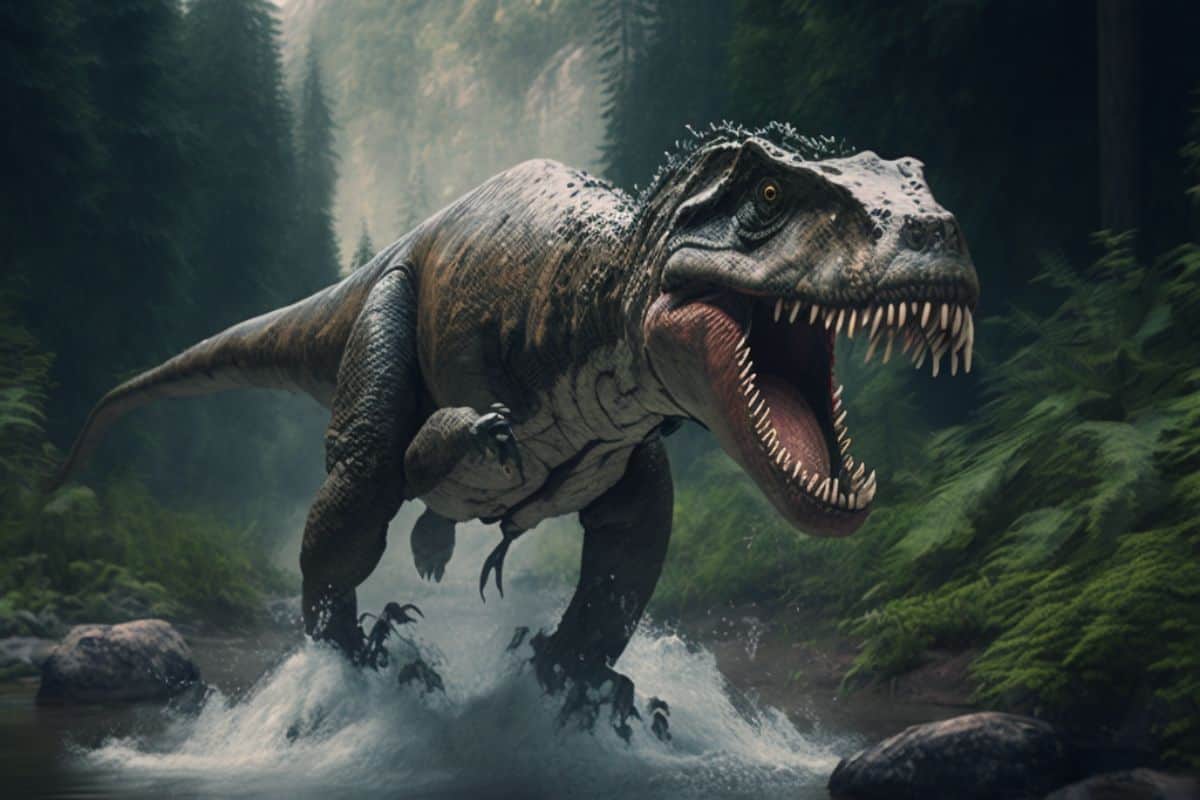
Tyrannosaurus rex was one of the largest and most fearsome predators to ever walk the earth. Its massive size and powerful jaws made it an apex predator, and its anatomy was perfectly adapted for hunting and killing.
One of the most striking features of T .rex was its massive head, which was over five feet long. Was filled with sharp, serrated teeth. Its teeth were specifically designed for slicing through flesh and crushing bone. Its powerful jaws could exert a bite force of over 12,000 pounds. Which makes it one of the most powerful biters of any land animal.
T. rex also had a muscular neck and powerful legs that enabled it to move quickly and efficiently. Its hind legs were particularly strong, allowing it to run at speeds of up to 20 miles per hour.
Despite its massive size, T .rex had relatively short arms that were only about three feet long. Scientists are still debating the function of these arms, but some theories suggest that they may have been used for grasping during mating or feeding, or for balancing the animal's massive head.
T. rex also had a long, thick tail that helped to balance its massive body and provided additional power for running and turning.
Overall, the anatomy of T .rex was perfectly adapted for life as a top predator in the Late Cretaceous ecosystem. Its massive size, powerful jaws, and muscular body made it a formidable hunter, and its legacy continues to inspire and fascinate scientists and the public alike.
Behavior
Tyrannosaurus was a fierce predator, and its hunting and feeding behaviors have been the subject of extensive study by paleontologists. Its sharp senses, powerful jaws, and muscular body made it a formidable hunter.
One of the most striking features of Tyrannosaurus was its large head and sharp, serrated teeth, which were perfectly adapted for cutting through flesh and bone.
T. rex likely used its keen senses of sight, smell, and hearing to locate prey. Once it had located a potential target, it would approach slowly, stalking its prey like a lion. When it was close enough, it would launch a sudden attack, using its massive jaws to grab hold of its prey and deliver a fatal bite to the neck or head.
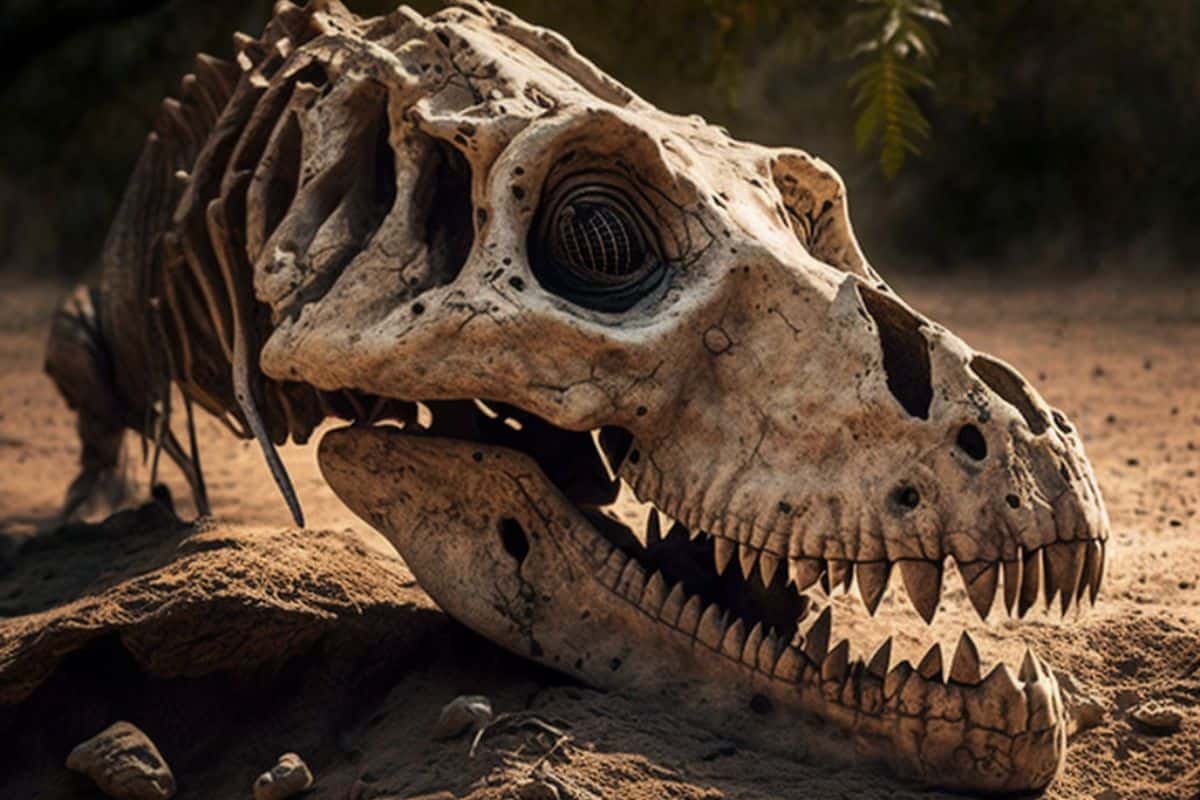
It is also possible that T .rex scavenged on the carcasses of other animals, using its powerful jaws to tear meat from bones. Evidence of scavenging behavior has been found in some T .rex fossils, including bite marks that match the teeth of other T. rex specimens.
Despite its fearsome reputation, Tyrannosaurus was not invincible. It likely faced competition from other predators, and its relatively short arms may have made it difficult to take down larger prey. Some scientists have also suggested that T .rex may have been vulnerable to diseases and infections, which could have contributed to its eventual extinction.
Overall, T. rex was a formidable predator with a diverse range of hunting and feeding behaviors. Its anatomy and physiology were perfectly adapted for life as a top predator in the Late Cretaceous ecosystem, and its legacy continues to fascinate and inspire scientists and the public alike.
Habitat
T .Rex is believed to have lived in a range of environments, including forests, swamps, and floodplains. Its fossils have been found in sedimentary rocks that suggest it lived near rivers and lakes. It is believed that The rex preferred living in areas with a reliable water source and an abundance of prey.
Rex fossils have been found mainly in North America, with the majority of them being discovered in Montana, South Dakota, and Wyoming. The region where T. rex lived during the Late Cretaceous period was known as Laramidia, which was a large landmass that spanned from the western coast of present-day North America to the middle of the continent.
The climate during the Late Cretaceous period was warm and humid, with frequent rainfall. The landscape was dominated by ferns, cycads, and conifers. Other dinosaurs that lived alongside the T-rex included Triceratops, Ankylosaurus, and Edmontosaurus.
Overall, the habitat of T - rex was diverse, but it preferred areas with a reliable water source and an abundance of prey. Its fossils suggest that it lived in environments that were conducive to its hunting and scavenging behaviors, and its anatomy and physiology were well-suited to life in the Late Cretaceous ecosystem.
The Discovery of T. Rex
The discovery of T .rex is an incredible story that spans over a century. The first rex fossils were discovered in Montana in 1902 by a fossil hunter named Barnum Brown, who was working for the American Museum of Natural History.
Brown uncovered a partial skeleton of a massive, carnivorous dinosaur with teeth the size of bananas. He brought the fossils back to the museum, where they were examined by the eminent paleontologist Henry Fairfield Osborn. Osborn named the new species Tyrannosaurus rex, which means "tyrant lizard king."
The discovery of T. rex caused a sensation in the scientific community and captured the public's imagination. For years, scientists and fossil hunters searched for more T. rex fossils, hoping to learn more about this fearsome predator.
In 1990, a nearly complete T . rex skeleton was discovered in South Dakota by paleontologist Sue Hendrickson. The skeleton, named "Sue" in her honor, is one of the most complete T. rex specimens ever found. And has provided scientists with valuable insights into the anatomy and behavior of this ancient predator.
Today, T. rex remains one of the most iconic and beloved dinosaurs, and its discovery has had a profound impact on our understanding of prehistoric life. The ongoing study of T .rex and other dinosaurs continues to fascinate and inspire scientists and the public alike, and new discoveries are constantly reshaping our understanding of these ancient creatures.
Alternative names For T .Rex
- Tyrant Lizard King
- King of the Dinosaurs
- The Giant Killer
- The Beast of the Mesozoic
- The Colossus of the Cretaceous
- The Demon of the Cretaceous
- The Great Tyrant
- Rex
- The Monster of the Cretaceous
- The Terror of the Cretaceous
10 facts about the Tyrannosaurus rex
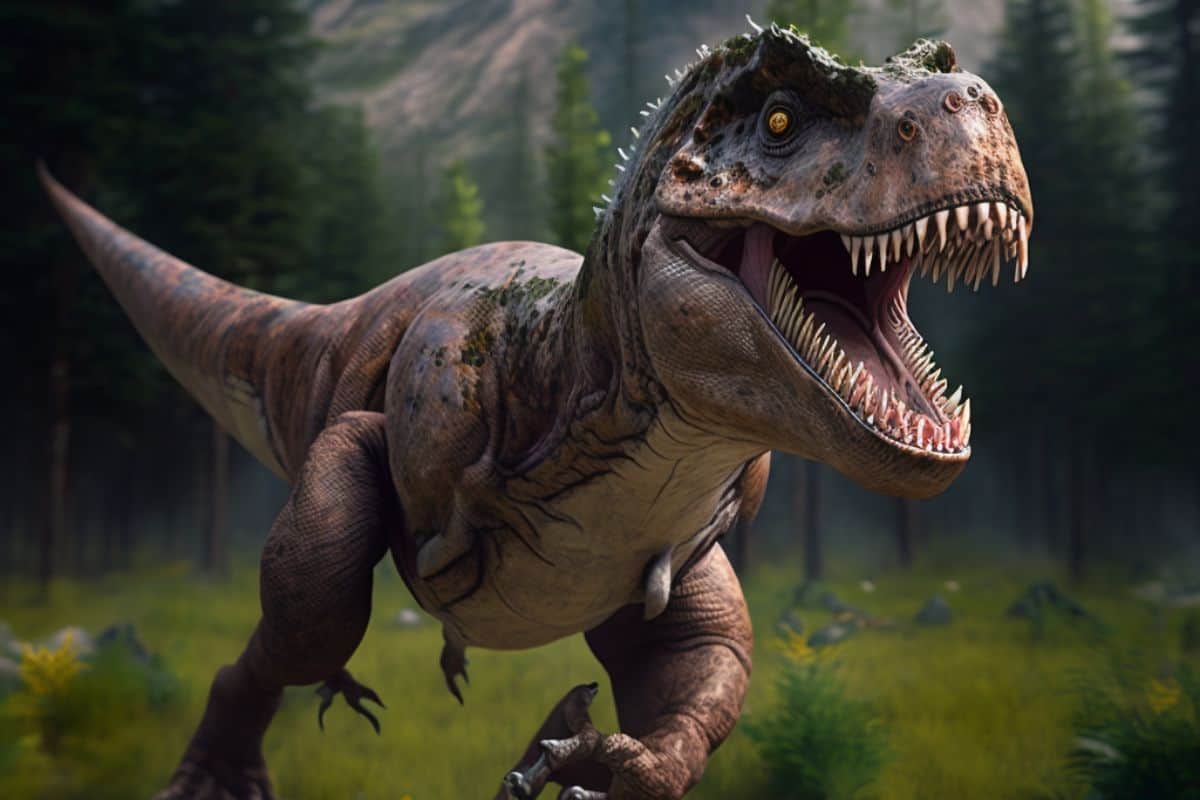
- Tyrannosaurus rex is one of the largest meat-eating dinosaurs ever to have lived, measuring up to 40 feet long and weighing up to 9 tons.
- Tyrannosaurus rex had powerful jaws with teeth up to 12 inches long that could crush bone and tear through flesh.
- Despite its size, T. rex was capable of running at speeds of up to 20 miles per hour.
- Tyrannosaurus rex had excellent eyesight and depth perception, allowing it to accurately track and hunt its prey.
- Scientists believe that Tyrannosaurus rex may have had feathers when it was a juvenile. similar to the velociraptor. But it is uncertain whether it had feathers as an adult.
- T.rex had a keen sense of smell that it used to locate prey and sense its surroundings.
- It is estimated that T .rex could consume up to 500 pounds of meat in a single feeding.
- The arms of T .rex were relatively small compared to its massive body and were likely used for balance rather than for grasping prey.
- T. rex lived during the Late Cretaceous period, around 68 to 66 million years ago. Its fossils have been found in western North America.
- Tyrannosaurus rex is one of the most famous and recognizable dinosaurs, with its image appearing in countless movies, TV shows, and other forms of popular culture
More Dinos
FAQs
Over 50 T .rex specimens have been identified to date, with more discoveries being made all the time. These specimens have provided valuable insights into the anatomy, behavior, and ecology of this iconic dinosaur.
T-rex lived during the Late Cretaceous period, around 68 to 66 million years ago.
The exact cause of T .rex's extinction is still a matter of debate among scientists. Some theories suggest that climate change, disease, or competition from other predators may have contributed to their demise
T. rex was one of the largest meat-eating dinosaurs ever to exist, measuring up to 40 feet long and weighing up to 9 tons.
Conclusion:
Tyrannosaurus Rex, or T.rex, was the ultimate predator of its time. Its massive size, sharp teeth, and ferocious reputation have captured the imagination of people for generations. Whether you call it the Tyrant Lizard King, King of the Dinosaurs, or simply T .rex,. There is no denying the awe-inspiring power of this iconic creature. By studying its anatomy, behavior, habitat, and significance. We can gain a better understanding of the natural world and the history of our planet.

Leave a Reply